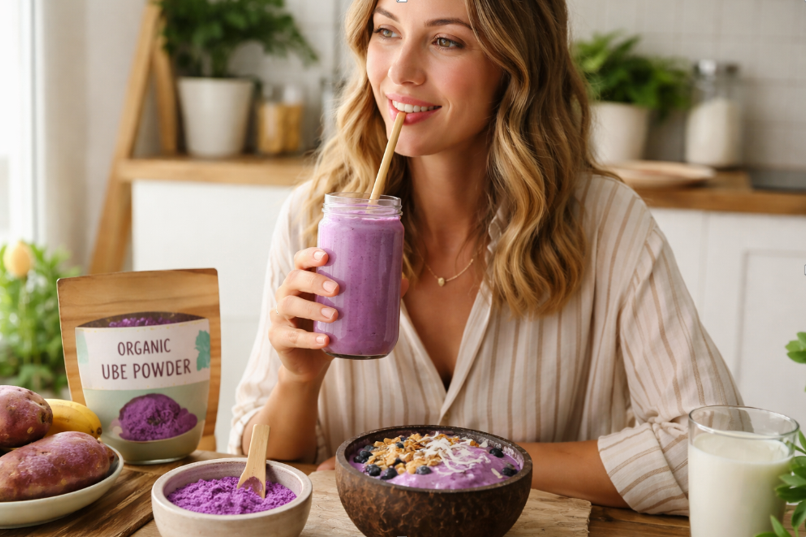
What are the health effects of ube?
Vibrant, rich in colour, and packed with natural nutrients – ube powder is turning heads not just for its sweet earthy taste, but for the health perks it quietly delivers. While it’s been a staple in Filipino cuisine for generations, it’s now gaining traction in Australian kitchens, cafés, and health food circles. But is it really good for you or just another hype-filled superfood? If you’ve found yourself wondering what the actual effects of ube on your body are, you’re not alone. This article dives deep into the real science and nutrition behind ube powder, so you can make informed choices without the fluff.
What exactly is ube and where does ube powder come from?
Ube is a purple yam that originates from the Philippines, known for its naturally vibrant colour and subtly sweet, nutty flavour. It’s not to be confused with taro or purple sweet potatoes although they’re similar in appearance, ube is unique in both taste and nutrient profile. When processed into powder form, ube powder becomes a convenient, shelf-stable ingredient that retains much of the tuber’s natural nutritional value. It’s made by peeling, cooking, drying, and grinding the ube root into a fine, purple flour. The result? A highly versatile super-ingredient that can be used in smoothies, lattes, pancakes, or desserts.
If you’re looking to try a trusted source of ube powder, many health-conscious Aussies are turning to organic, locally-processed options that preserve the integrity of the root. Beyond its stunning visual appeal, ube powder contains nutrients that are increasingly being studied for their health-boosting effects, especially in areas like antioxidant support, blood sugar control, digestion, and inflammation. Let’s break down these effects in a real-world, evidence-backed way.
How does ube powder support your body?
Eating ube powder isn’t just about adding a splash of purple to your diet it’s about what that colour represents: anthocyanins, the powerful antioxidants that give ube its rich hue. These natural pigments are linked to reduced inflammation, improved cell protection, and better cardiovascular health. Key nutritional compounds in ube powder:
- Anthocyanins
- Vitamin C
- Complex carbohydrates
- Dietary fibre
- Potassium
These nutrients work in synergy. For example, the fibre and resistant starches in ube are known to aid in digestion and contribute to a low glycaemic impact, which may help people managing blood sugar levels. This is especially relevant to those in Australia looking for low GI natural foods as part of a balanced diet. Unlike many processed carbs, ube powder digests slowly, giving you sustained energy without spikes and crashes. That’s a game-changer for anyone managing type 2 diabetes or looking to stabilise energy throughout the day.
Is ube powder safe to consume daily?
Generally speaking, ube powder is safe for daily use, especially when consumed in moderate amounts. It’s a whole food in powdered form not a synthetic supplement which means your body recognises it and absorbs it naturally. However, as with any concentrated food product, it’s wise to start slow, particularly if you’re new to it or sensitive to fibre-rich ingredients.
Most people tolerate ube powder very well, but if you have a digestive disorder or specific food intolerance, consult your healthcare provider before integrating large amounts into your routine. It’s also worth knowing that ube powder is naturally gluten-free, making it an excellent alternative for coeliac-friendly cooking.
How much ube powder should you take?
A general rule of thumb: 1 to 2 teaspoons a day is a solid starting point. This amount delivers a good nutritional hit without overwhelming your digestive system. If you’re adding it to smoothies, baked goods or yoghurt bowls, start with smaller quantities and assess how your body reacts over a week.
Can you mix ube powder with other health foods?
Absolutely. It pairs beautifully with chia seeds, coconut milk, oats, and berries. Its earthy sweetness complements many functional foods, making it easy to incorporate ube into a healthy, diverse diet.
How does ube powder compare to other superfoods?
Ube powder is often compared to taro, sweet potato, acai, and beetroot powder all of which have their place in the health food landscape. But what sets ube apart is its unique blend of antioxidants, slow-release carbohydrates, and vibrant versatility. Let’s take taro vs ube powder as an example. Taro is higher in calories and doesn’t have the same anthocyanin profile. Sweet potatoes offer beta-carotene, while ube leans into anthocyanins both valuable, but with different benefits. Why many Australians prefer ube powder:
- naturally sweet without added sugar
- vivid colour, making meals more appealing
- compatible with gluten-free diets
- high in antioxidants
- slow-release energy, ideal for sustained performance
Ube also holds up better during baking compared to many fruit-based powders, which often lose their nutritional impact under heat.
What are the lesser-known health effects of ube?
Beyond the obvious antioxidant and blood sugar perks, ube powder has several less talked about effects that deserve the spotlight. One of the emerging areas of interest is ube’s potential role in gut health. Its resistant starch acts as a prebiotic, which means it feeds the good bacteria in your intestines a key factor in supporting immune function, mental clarity, and overall wellbeing.
Another subtle yet significant benefit is ube’s impact on skin health. The antioxidants in purple yam help neutralise free radicals that can damage skin cells and accelerate ageing. While it’s no miracle cream, ube-rich diets may support collagen production and help maintain a natural glow from the inside out.
Does ube powder affect mood or energy levels?
Because of its slow-digesting carbs and rich micronutrient profile, ube can help avoid energy crashes which are often linked to mood dips. That said, it’s not a stimulant like coffee or matcha. Think of it more like a steady stream than a jolt a gentle tide lifting your energy throughout the day.
The final word on ube powder and your health
Ube powder is more than a passing food trend it’s a naturally powerful addition to a healthy lifestyle. From gut-friendly fibre to antioxidant-rich colour, its benefits are real, measurable, and relevant to anyone looking to eat with purpose. Whether you’re blending it into smoothies or baking it into treats, this purple root offers something few other ingredients can: deep nourishment with delicious appeal. Have you tried it yet? Let us know how ube fits into your routine!